Color Psychology in Interior Design
Priya Sharma
Senior Interior Designer
Colors profoundly impact our emotions, productivity, and overall well-being. Understanding color psychology helps create spaces that serve your needs.
Blue: Calm and Productive
Blue promotes calmness and concentration. It's ideal for bedrooms and home offices. Light blues create spaciousness, while deep blues add sophistication.
Green: Balance and Harmony
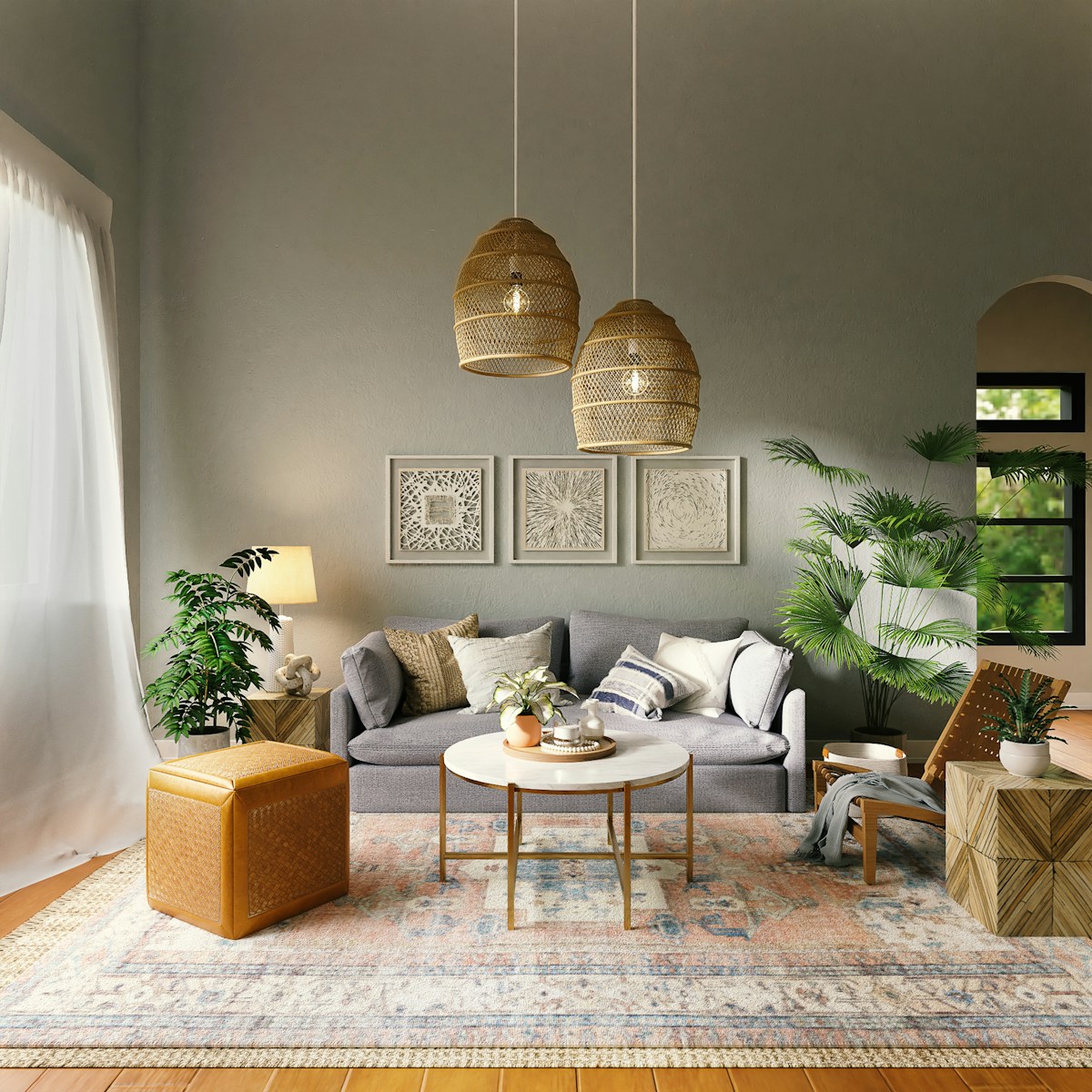
Green represents nature and balance. It's versatile, working well in any room. Sage greens are calming, while emerald adds drama.
Yellow: Energy and Happiness
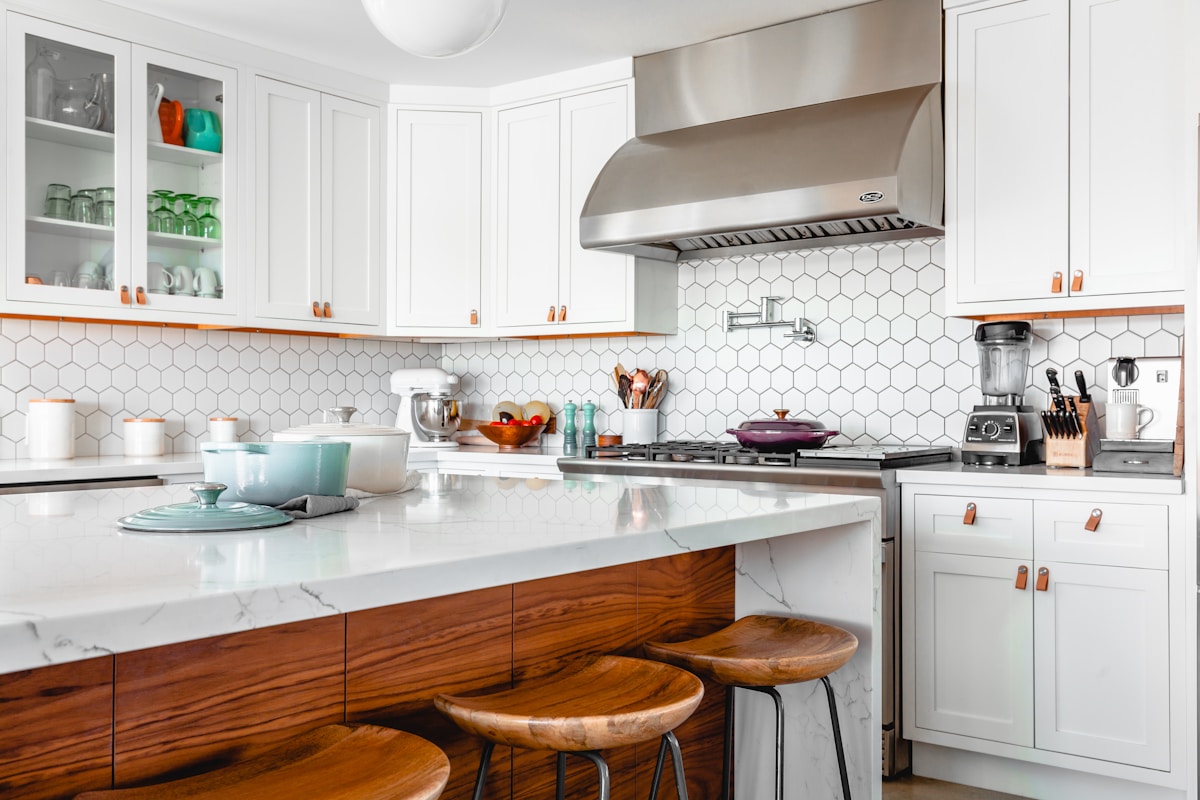
Yellow stimulates mental activity and creativity. Best used as accents, it brightens kitchens and playrooms without overwhelming.
Red: Passion and Appetite
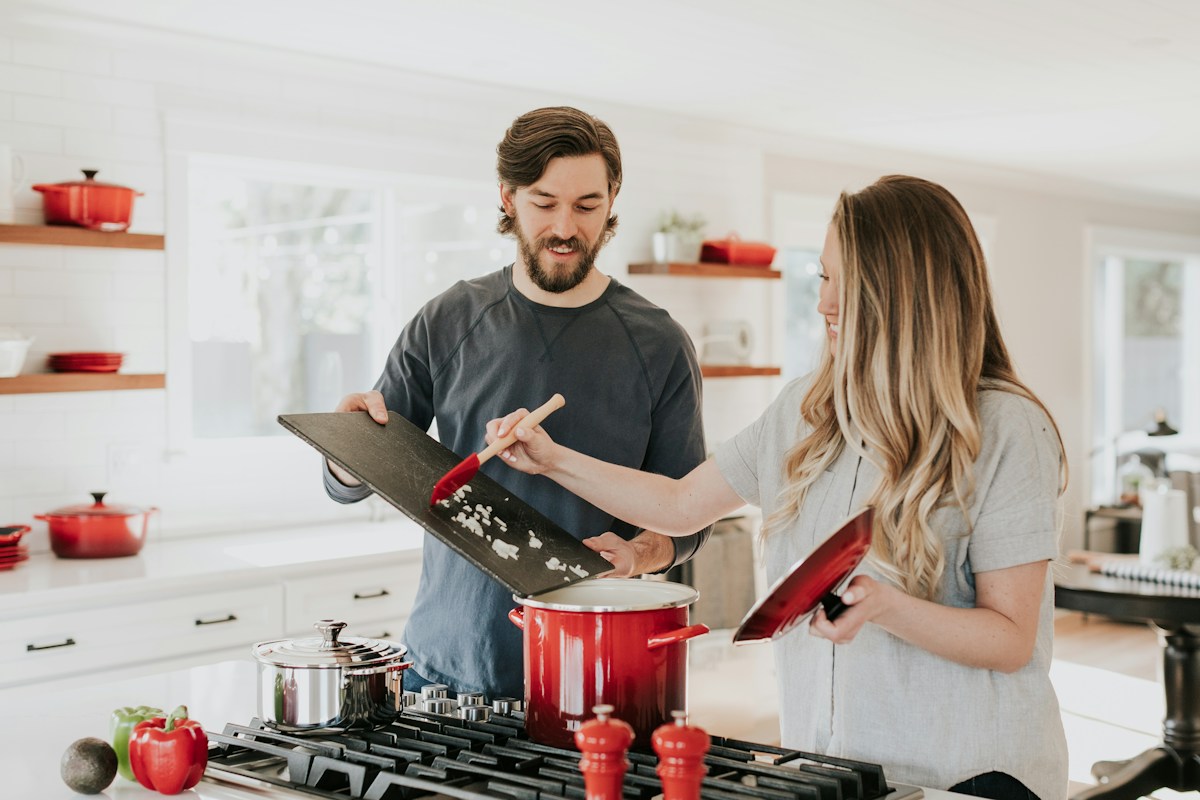
Red energizes and stimulates appetite. Use it sparingly in dining areas or as accent pieces. It's too stimulating for bedrooms.
Neutrals: Flexibility and Sophistication
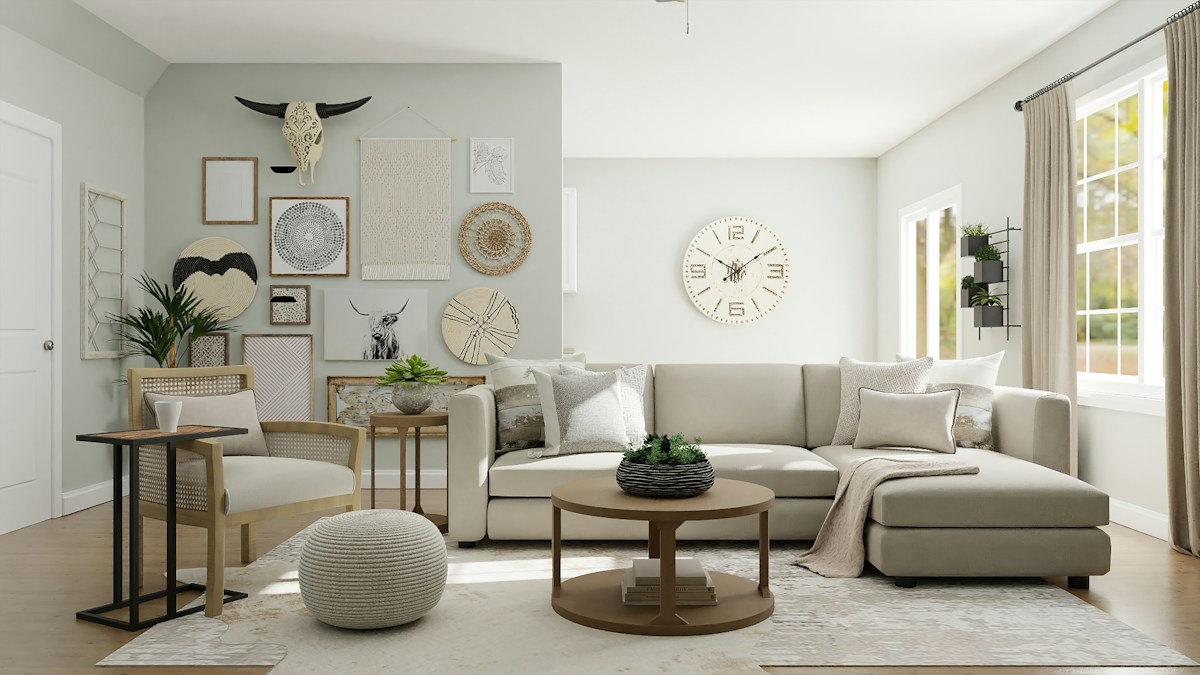
Whites, beiges, and grays provide flexibility for layering colors and textures. They create timeless backdrops for any style.
Practical Tips
- Test paint samples in different lighting
- Consider the room's function
- Balance bold colors with neutrals
- Use the 60-30-10 rule for color distribution
Conclusion
The right colors transform spaces and influence how you feel at home. Don't be afraid to experiment—your home should reflect your personality.
Ready to Transform Your Space?
Get a personalized AI-powered cost estimate for your interior design project.